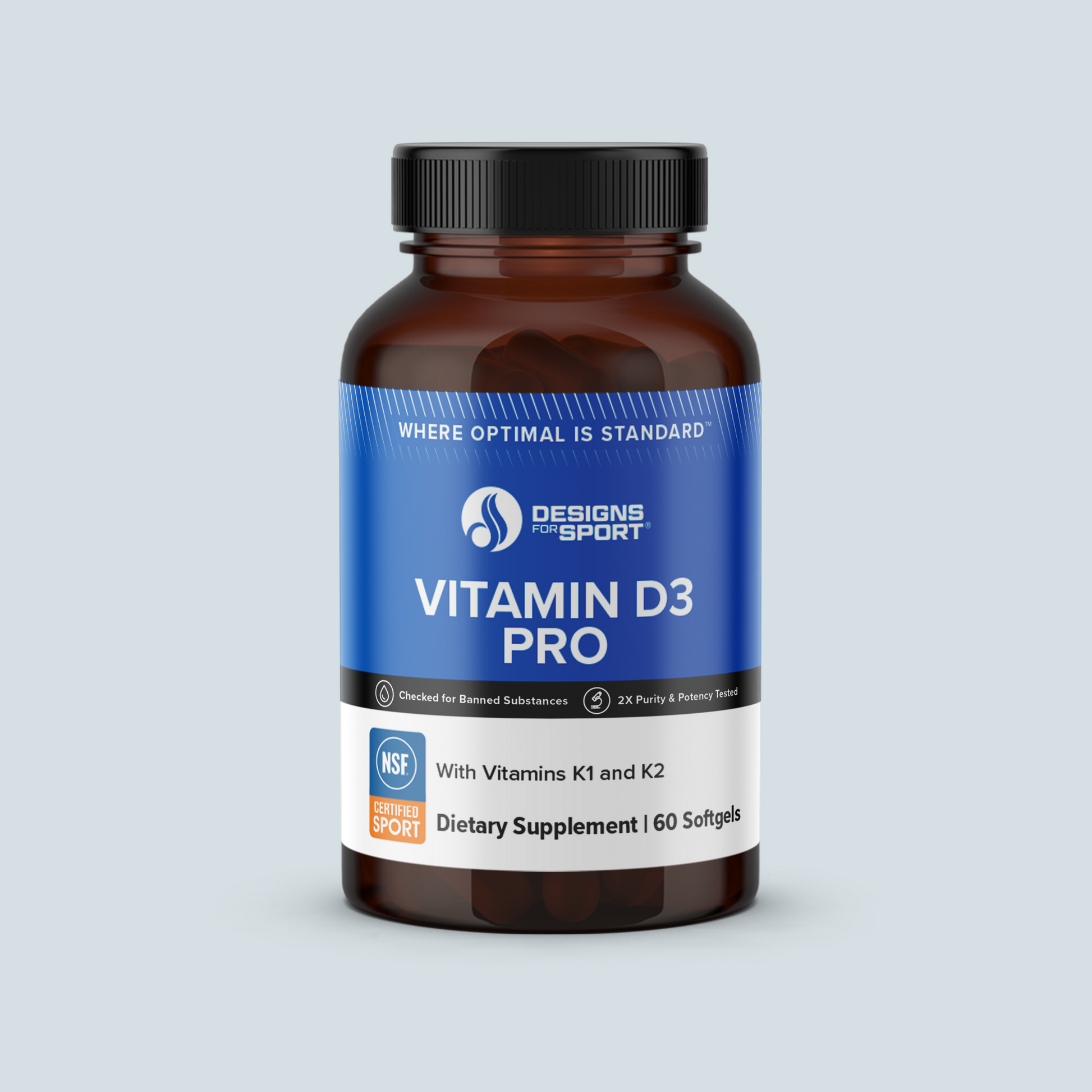
VITAMIN D3 PRO SOFTGELS

VITAMIN D3 PRO SOFTGELS

With Vitamin K1 & K2

Skip to product information
1 of 2
Regular price $35.00
Regular price Sale price $35.00
Pro Sold out
Shipping calculated at checkout.

VITAMIN D3 PRO SOFTGELS

VITAMIN D3 PRO SOFTGELS

With Vitamin K1 & K2

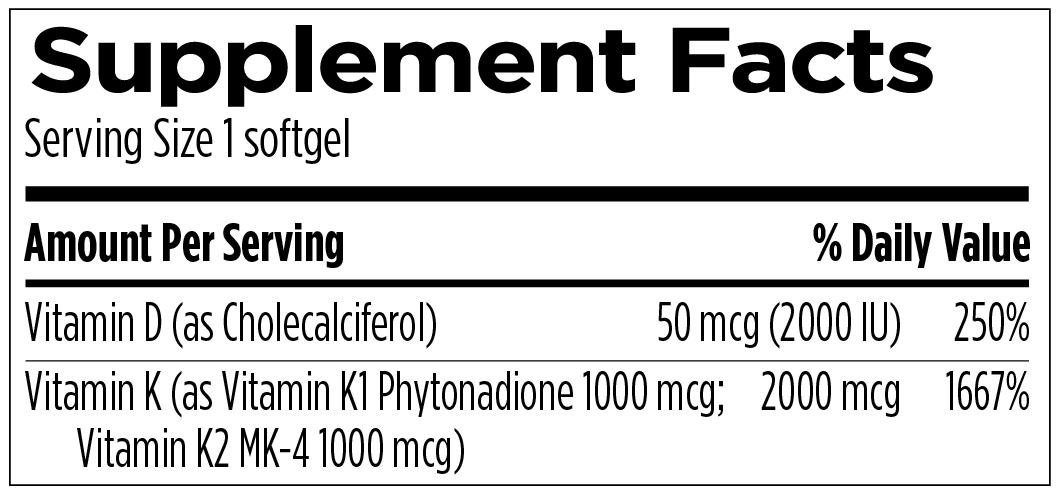
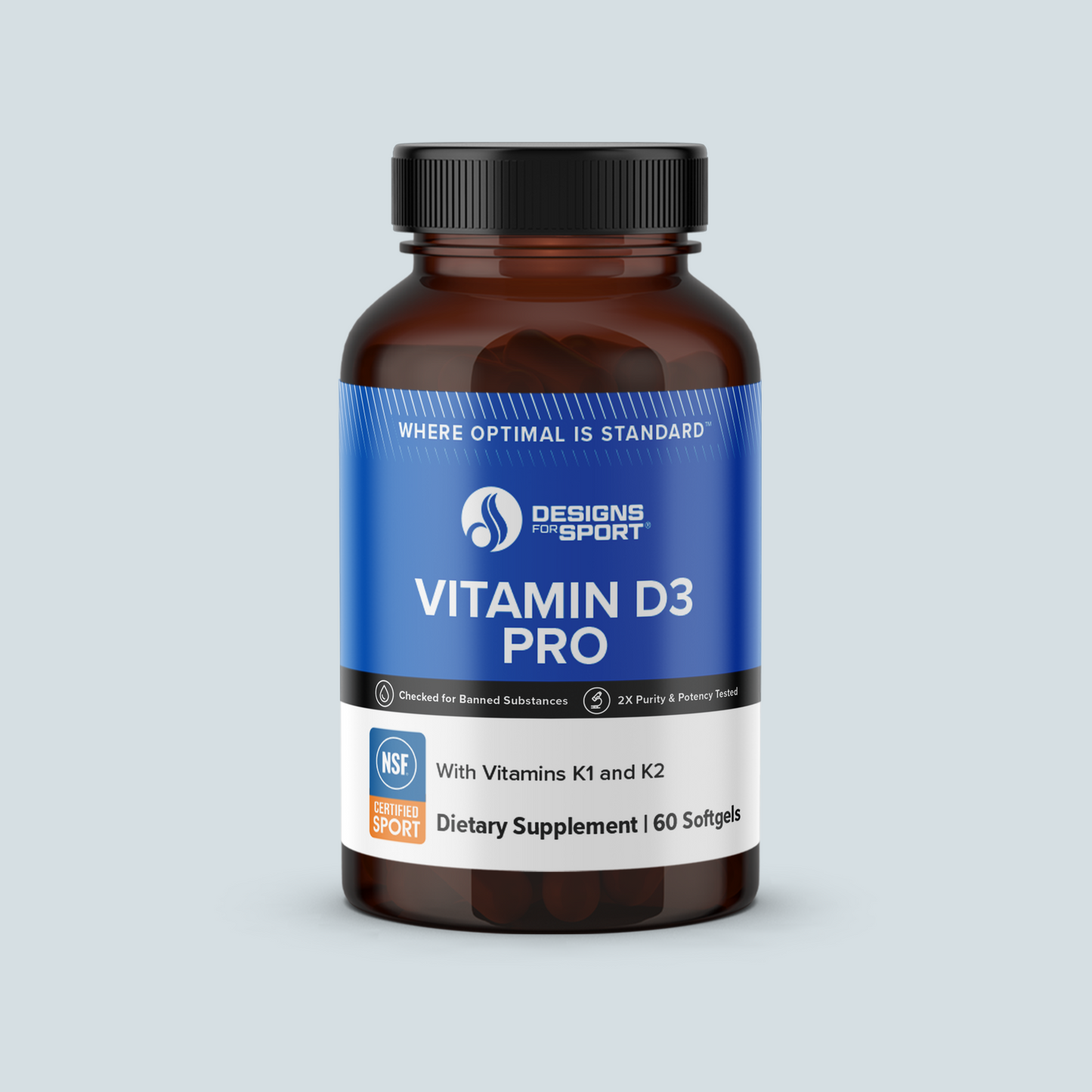
Vitamin D3 Pro softgels provide clinically useful amounts of vitamin D3 and vitamin K (in the form of K1). Vitamins D and K are essential for optimal bone and arterial health and for maintaining the immune system in proper balance.*

Recommended Use: Take 1 softgel per day with a meal or as directed by your health care practitioner.

DSN060-DS | 60 SOFTGELS
$35.00
Shipping calculated at checkout.

Vitamin D3 Pro softgels provide clinically useful amounts of vitamin D3 and vitamin K (in the form of K1). Vitamins D and K are essential for optimal bone and arterial health and for maintaining the immune system in proper balance.*

Recommended Use: Take 1 softgel per day with a meal or as directed by your health care practitioner.

DSN060-DS | 60 SOFTGELS
View full details
  • What's the difference between magnesium Bisglycinate and Magnesium Glycinate?

    In short: They’re the same thing. The terms are often used interchangeably in the supplement industry.

  • Will taking Magnesium Bisglycinate in the middle of the day make me drowsy?

    Magnesium bisglycinate is well-known for its calming properties, making it a popular choice for those looking to support relaxation and restful sleep. While it’s not a sedative, some individuals may feel more relaxed or slightly drowsy after taking it—especially if taken in the evening or when the body is deficient in magnesium. For that reason, many people prefer to take it at night.

  • Column

    Pair text with an image to focus on your chosen product, collection, or blog post. Add details on availability, style, or even provide a review.

  • Why choose bisglycinate over other forms of magnesium?

    It’s well-tolerated, less likely to cause laxative effects, and has superior bioavailability compared to forms like magnesium oxide or citrate.

  • What are the benefits of magnesium bisglycinate?

    There are many supposed benefits of magnesium bisglycinate, including but not limited to:

    • Stress support
    • Improved digestion
    • Heart and cardiovascular health support
    • Sleep and relaxation support
    • Bone mineralization support
    • Muscle recovery
  • What is magnesium bisgylcinate?

    Magnesium bisglycinate is a supplement that contains both magnesium and glycine. Magnesium bisglycinate contains two glycine molecules to each of the magnesium molecules, and has been shown to support stress responses, healthy digestion, muscle recovery, sleep, and more.

  • Are there any side effects to magnesium bisglycinate?

    Magnesium bisglycinate is generally well-tolerated and considered one of the gentlest forms of magnesium, especially on the digestive system. Most people don’t experience side effects, but as with any supplement, individual responses may vary.

    In some cases, especially at higher doses, magnesium can cause:

    • Mild digestive upset
    • Loose stools (though this is less common with bisglycinate compared to other forms like citrate or oxide)
    • A sense of relaxation or drowsiness, which is why many prefer to take it in the evening
1 of 7

What are Vitamins D3, K1, and K2, and Why Take Them Together?

When taken separately, vitamins D3, K1, and K2 are essential micronutrients that provide necessary functions for sustainable health. However, taken together, vitamins D3, K1, and K2 work together to complement each other’s supposed benefits. Specifically, Vitamin D3 supports calcium absorption, while Vitamin K1 supports bone health and healthy blood clotting, while Vitamin K2 helps transport calcium to both bones and teeth. This vitamin combination therefore offers holistic benefits in a wide array of human bodily areas.

How Much Vitamin D3 and K2 Should I Take Daily?

For general daily maintenance, a typical combined dose is: Vitamin D3: 1,000–2,000 IU per day and 90–200 mcg per day of Vitamin K2. However, your ideal amount can vary. The best way to know your proper Vitamin D3 dose is to test blood levels of 25(OH)D3 with a healthcare provider. If levels are low, higher short-term doses like 5,000 IU/day for about 4 weeks may be used under medical supervision.

Always talk to your doctor before using Vitamin D or K, especially since Vitamin K can interact with medications.

Should I take a D3, K1, and K22 Supplement Daily?

It depends! Whether or not one should take a D3, K1, and K2 combination supplement depends entirely upon the individual and their needs. Specifically, individuals should consider taking a D3, K1, and K2 supplement daily if they:

  • Do not have adequate sun exposure and/or participate in consistent outdoor activities.
  • Have little D3, K1, and K2 intake from diet. Specifically, fermented foods, egg yolks, green leafy vegetables, specific types of fruit, and fish are high in Vitamin D3, K1, and K2. If you are a vegetarian, vegan, or have other miscellaneous dietary restrictions, discuss taking a D3, K1, and K2 supplement with your primary care physician.
  • Have low blood levels of Vitamin D
  • Are 50+ in age and/or have concerns with your bone health

What are the Benefits of Vitamins D3, K1, and K2?

Taken responsibly and with the careful and deliberate consultation of a doctor, Vitamin D3, K1, and K2 can lead to many supposed benefits, including but not limited to:

  • Improved bone density
  • More balanced mood and hormone regulation
  • Increased muscle strength
  • Improved heart health
  • Improved insulin sensitivity
  • Improved brain health

Are there any contraindications related to taking Vitamin D and K?

While Vitamin D and Vitamin K are generally safe and complementary when taken together, there are some contraindications and caution. For most healthy adults, taking vitamins D and K together is safe and even beneficial, as vitamin D supports calcium absorption while vitamin K helps direct calcium into bones and away from arteries. However, caution is needed in people with certain conditions: vitamin D can worsen high calcium levels, kidney disease, kidney stones, or certain granulomatous diseases, while vitamin K can interfere with blood-thinning medications like warfarin and may pose risks for those with clotting disorders or severe liver disease. In these cases, medical supervision is recommended before supplementation.

Best Sellers

Why NSF Certified for Sport®?

We align ourselves with NSF as a testament to our commitment towards industry safety standards. Determined to become the leading supplement and education resource in the performance nutrition category, our alliance with NSF further reinforces our commitment to product excellence.