
ZINC+
ZINC+


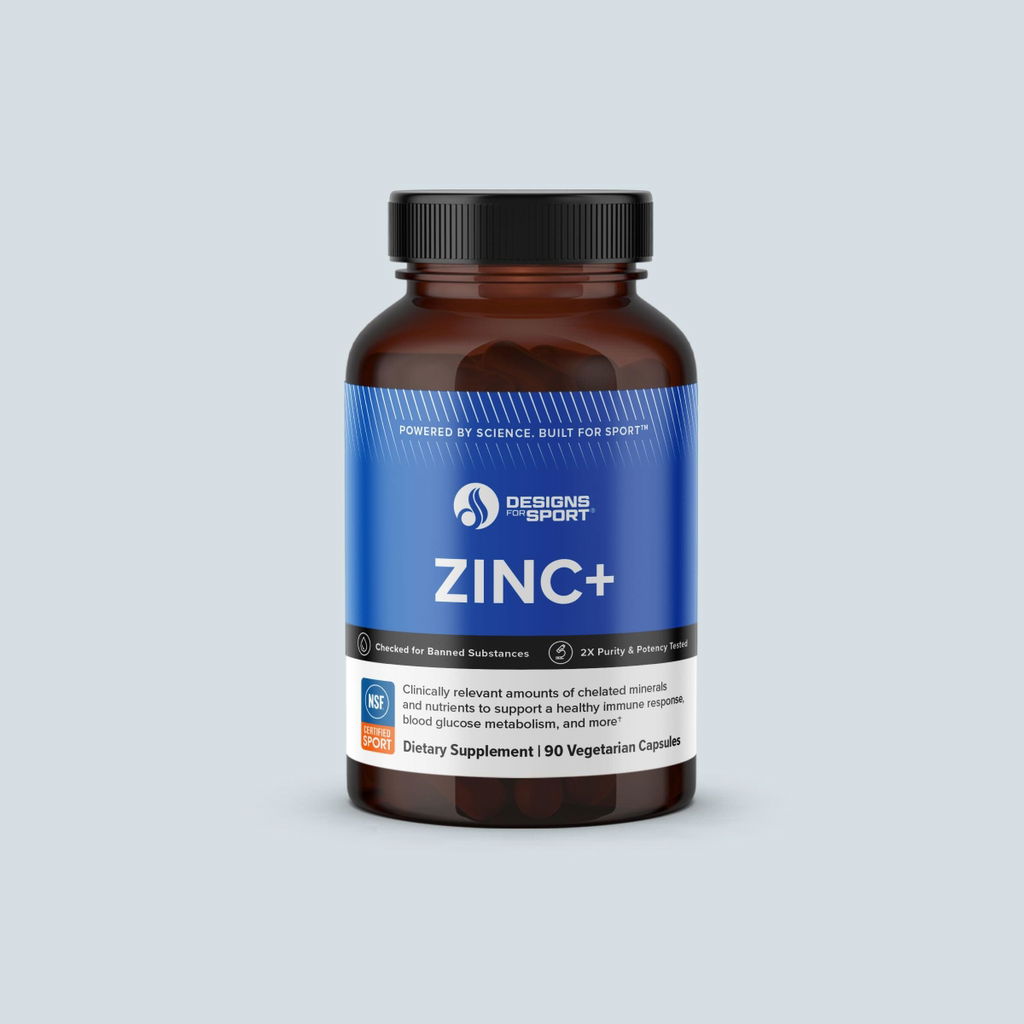
Zinc+ offers chelated minerals by Albion Advanced Nutrition, the leader in mineral technology. These are ideal chelates with a 2:1 molar ratio of two molecules of the amino acid glycine chemically bonded in liquid to one mineral ion of zinc or molybdenum for optimal absorption. These minerals are combined with other nutrient cofactors, including vitamins B2 and B6 and malic acid, to optimize enzymatic function and support zinc status.*
 DAIRY FREE*
 NON-GMO*
 GLUTEN FREE*
 SOY FREE*
 VEGAN
VEGAN
Recommended Use: As a dietary supplement, take one capsule per day with a meal, or as directed by your health care practitioner.
ZNP090-DS | 90 VEGETARIAN CAPSULES
Couldn't load pickup availability
Couldn't load pickup availability
Zinc+ offers chelated minerals by Albion Advanced Nutrition, the leader in mineral technology. These are ideal chelates with a 2:1 molar ratio of two molecules of the amino acid glycine chemically bonded in liquid to one mineral ion of zinc or molybdenum for optimal absorption. These minerals are combined with other nutrient cofactors, including vitamins B2 and B6 and malic acid, to optimize enzymatic function and support zinc status.*
DAIRY FREE*
NON-GMO*
GLUTEN FREE*
SOY FREE*
VEGAN
Recommended Use: As a dietary supplement, take one capsule per day with a meal, or as directed by your health care practitioner.
ZNP090-DS | 90 VEGETARIAN CAPSULES


Frequently Asked Questions
I really enjoy taking this supplement. It makes me feel like I am less prone to illnesses & staying feel better.
Been taking zinc now for a few weeks and I am feeling better and lifting better in the gym
Awesome product!!
Product Research Sheet Video
Product Research Sheet
Essential Mineral Support for Recovery, Immune Resilience, and Athletic Health
-
Key Performance Benefits
- Supports immune resilience
- Promotes recovery and tissue repair
- Supports antioxidant defense processes
- Helps maintain overall athletic health
- Supports foundational micronutrient status
-
What This Product Is
Zinc is an essential trace mineral involved in immune function, tissue repair, enzymatic activity, and antioxidant defense. For athletes, adequate zinc status supports recovery, resilience, and whole-body health.
Micronutrient sufficiency is often overlooked in sports performance, yet it plays a foundational role in helping athletes adapt to training and maintain readiness.
-
Mechanism of Action
Immune Support
Zinc supports immune system function, which can be important during demanding training blocks and travel.
Tissue Repair
Zinc is involved in cellular repair processes and supports recovery from physical stress.
Foundational Resilience
By supporting multiple enzyme systems, zinc contributes to overall metabolic and physiological readiness.
-
Athletic Applications
- Athletes under high training stress
- Travel-heavy schedules
- Recovery support protocols
- Foundational micronutrient support
- Individuals seeking immune resilience
-
Key Ingredients
Zinc
An essential mineral that supports immune resilience, repair, and foundational athletic health.
-
Suggested Use
Take daily as directed by a healthcare practitioner to support micronutrient status and athletic resilience.
-
Why is zinc important for athletes?
Zinc supports immune health, tissue repair, and key enzyme systems involved in recovery and resilience.
-
When should zinc be used?
Zinc is commonly used as part of a daily foundational nutrition strategy.
-
Pro
-
Pro
-
-
Pro
-
Pro


Why NSF Certified for Sport®?
We align ourselves with NSF as a testament to our commitment towards industry safety standards. Determined to become the leading supplement and education resource in the performance nutrition category, our alliance with NSF further reinforces our commitment to product excellence.