
L-GLUTAMINE
L-GLUTAMINE


Glutamine powder supplies the amino acid L-glutamine, which is important for the health of the immune system and the digestive tract.* In the gut it promotes the health and function of the mucosal cells for the body's normal repair processes.* L-Glutamine also supports optimal muscle growth and strength and has been shown to be particularly useful in helping to maintain muscle tissue, as it can be used as a substrate for protein synthesis and an anabolic precursor for muscle growth.*
 DAIRY FREE*
 NON-GMO*
 GLUTEN FREE*
 SOY FREE*
 VEGAN
VEGAN
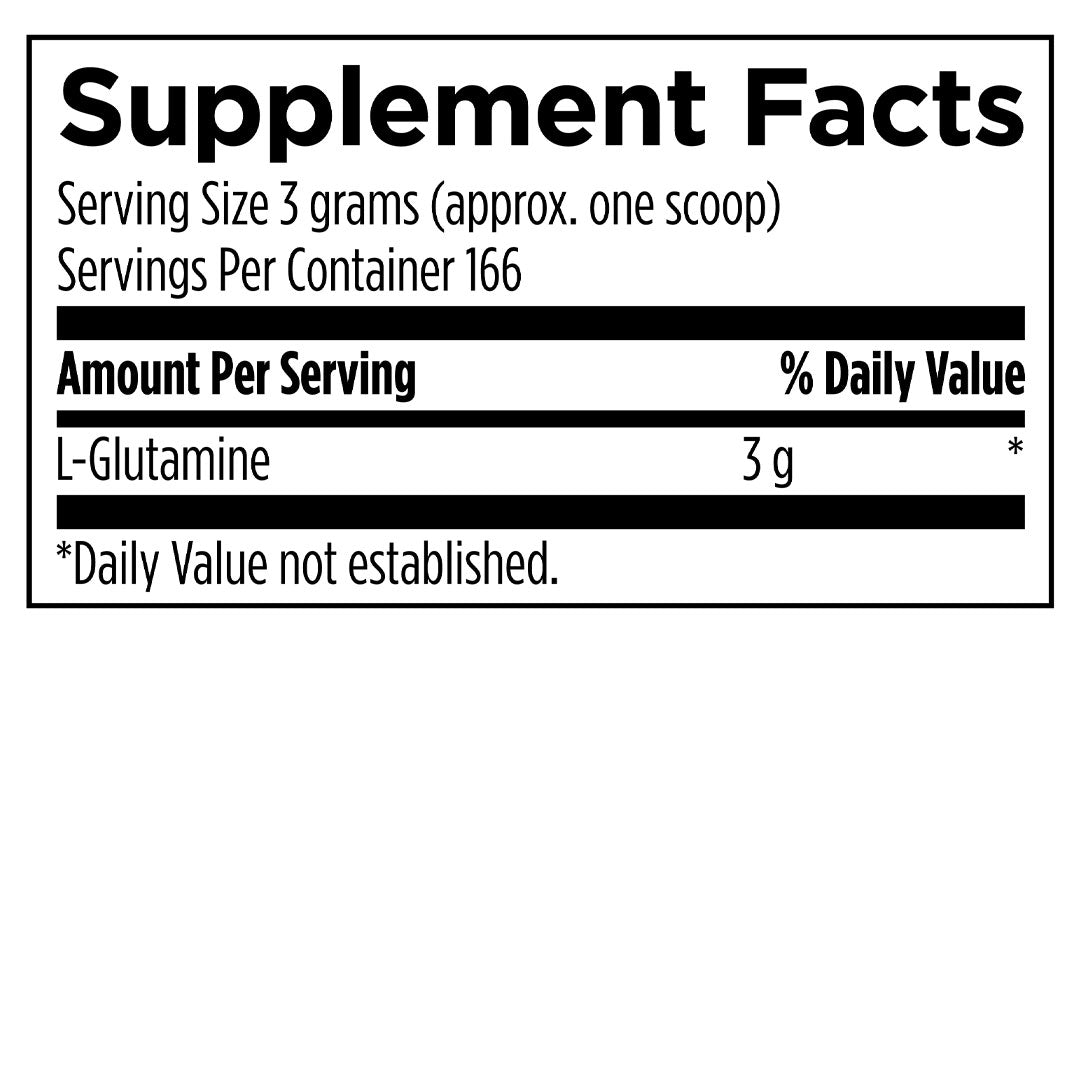
Recommended Use: As a dietary supplement, take 3 grams (approx. 3/4 teaspoon) per day.
LGL500-DS | 500 G (1.1 LBS)
Couldn't load pickup availability
Couldn't load pickup availability
Glutamine powder supplies the amino acid L-glutamine, which is important for the health of the immune system and the digestive tract.* In the gut it promotes the health and function of the mucosal cells for the body's normal repair processes.* L-Glutamine also supports optimal muscle growth and strength and has been shown to be particularly useful in helping to maintain muscle tissue, as it can be used as a substrate for protein synthesis and an anabolic precursor for muscle growth.*
DAIRY FREE*
NON-GMO*
GLUTEN FREE*
SOY FREE*
VEGAN
Recommended Use: As a dietary supplement, take 3 grams (approx. 3/4 teaspoon) per day.
LGL500-DS | 500 G (1.1 LBS)


Frequently Asked Questions
Product Research Sheet Video
Product Research Sheet
Recovery and Resilience Support for Intense Training, Gut Integrity, and Immune Stress
-
Key Performance Benefits
- Supports recovery from intense training
- Helps maintain muscle and whole-body resilience
- Supports gastrointestinal integrity
- Supports immune stress management
- Useful during high training volume
-
What This Product Is
Glutamine is a conditionally essential amino acid that plays important roles in recovery, metabolic stress adaptation, gut integrity, and immune function.
Athletes often use glutamine during periods of intense training, heavy physical stress, or increased recovery demand.
-
Mechanism of Action
Metabolic Stress Support
Glutamine is involved in whole-body amino acid metabolism and may be useful during periods of high physical stress.
Gut Integrity
Glutamine serves as a fuel source for intestinal cells and supports gastrointestinal barrier integrity.
Recovery Demands
During heavy training loads, glutamine support may help maintain resilience and recovery readiness.
-
Athletic Applications
- High-volume training programs
- Endurance athletes
- Recovery-focused protocols
- Athletes under high physical stress
- Individuals seeking gut-supportive sports nutrition
-
Key Ingredients
L-Glutamine
Glutamine supports recovery, gut integrity, and whole-body resilience during demanding training cycles.
-
Suggested Use
Mix one serving with water or a preferred beverage and use as directed by a healthcare practitioner.
-
Why do athletes use glutamine?
Glutamine is often used to support recovery, gut integrity, and resilience during periods of heavy training stress.
-
When should glutamine be taken?
Glutamine may be used after training, between meals, or during periods of heightened physical demand.
-
Pro
-
Pro
-
-
Pro
-
Pro



Why NSF Certified for Sport®?
We align ourselves with NSF as a testament to our commitment towards industry safety standards. Determined to become the leading supplement and education resource in the performance nutrition category, our alliance with NSF further reinforces our commitment to product excellence.